Introduction: The Battle for Purchasing Power in Pakistan
Over the past few years, the average Pakistani retail investor and middle-class saver has faced an unprecedented financial challenge. The twin forces of double-digit consumer price inflation (CPI) and rapid depreciation of the Pakistani Rupee (PKR) have made holding cash a guaranteed way to lose wealth. When bank deposits offer real interest rates that struggle to match the pace of inflation, keeping your savings in PKR is akin to watching your hard-earned capital slowly evaporate.
In this environment, active wealth preservation is no longer a luxury reserved for the wealthy; it has become a necessity for survival. Savers are constantly searching for the best investment in pakistan today to shield their purchasing power.
Traditionally, the Pakistani market relies on three primary safe-havens to hedge against economic instability: Gold, Real Estate, and the US Dollar (USD). But each of these assets behaves differently, carries unique risks, and requires varying levels of capital. This analytical guide provides an unbiased, data-driven comparison to help you determine which asset is the most effective hedge for your specific financial situation.
1. Gold: The Shield of the Masses
Gold has been the ultimate store of value for thousands of years, and its status in Pakistan is deeply culturally and financially entrenched. As a hedge against inflation and currency depreciation, gold is exceptionally reliable.
Liquidity and Accessibility
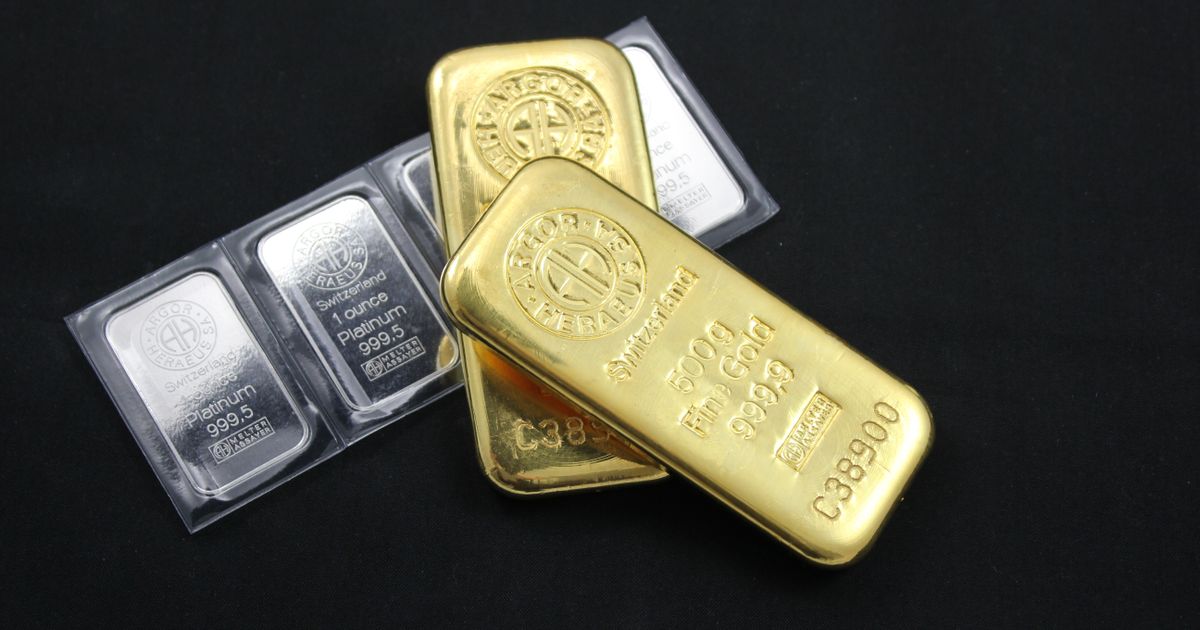
The primary advantage of gold is its high liquidity and accessibility. Unlike real estate, which requires millions of rupees to enter, gold has a very low barrier to entry. Savers can buy physical gold in fractions of a tola or in precise gram increments (such as 1g, 5g, or 10g bars).
Furthermore, gold is highly liquid. In any major city—from the Mithadar Sarafa Bazaar in Karachi to the Suhaa Bazaar in Lahore—you can walk into a reputable jeweler and instantly convert your physical gold into cash PKR at prevailing spot rates.
Historical Returns in PKR
Gold’s return profile in Pakistan is uniquely boosted by a double-engine effect. The local price of gold is determined by two factors: the international spot price of gold (denominated in USD per ounce) and the USD-to-PKR exchange rate.
Therefore, even if international gold prices remain flat, the domestic price of gold rises whenever the PKR depreciates against the US Dollar. Over the past decade, this compounding effect has allowed gold to not only match inflation but significantly outperform it, making the gold vs dollar pakistan comparison favor gold in long-term holding periods.
Safety and Security
Physical gold carries zero counterparty risk; it does not rely on a bank, developer, or government to maintain its value. However, physical possession introduces security risks. Safely storing gold bars or biscuits requires secure home safes or commercial bank lockers, which are increasingly difficult to acquire in Pakistan.
2. Real Estate: The Heavyweight Wealth Generator
Real estate has long been the favorite asset class for wealth accumulation in Pakistan. For decades, the consensus was that "land never loses value." While this holds true over very long horizons, the modern real estate landscape in Pakistan is complex and requires careful navigation.
Capital Requirements and Cash Flow
The most significant drawback of real estate is its high capital requirement. Unlike gold or dollars, a standard gold vs real estate investment analysis immediately highlights that land or built property is out of reach for small savers. Even entry-level residential plots in developing societies require millions of rupees in upfront capital or structured installment plans.
However, real estate offers one major advantage that gold and physical cash cannot match: cash flow. A built property (residential or commercial) generates monthly rental yields. Historically, residential rental yields in Pakistan hover around 3% to 5% annually, while commercial properties can yield 5% to 8%. When combined with long-term capital appreciation, this cash flow makes real estate a powerful wealth-compounding machine.
Liquidity Issues and Market Cycles
Real estate is an inherently illiquid asset. Selling a plot, house, or commercial building at its true market value can take months, if not years. In times of economic distress, when cash is urgently needed, real estate owners are often forced to offer steep discounts to close a quick sale.
Currently, the Pakistani real estate sector is undergoing significant structural changes. Increased taxation by the Federal Board of Revenue (FBR)—including higher withholding taxes for non-filers, capital gains taxes (CGT), and taxes on immovable properties—has dampened speculative trading in files and plots. Investors must now focus on utility-based, income-generating properties rather than short-term speculative plots.
3. The US Dollar: The Safe Haven Currency
For many Pakistanis, converting rupee savings into US Dollars is the most intuitive response to domestic inflation. Holding USD protects the saver directly from the devaluation of the rupee.
Convenience and Legal Boundaries
Holding USD is highly convenient because paper currency requires no specialized storage beyond a simple wallet or home safe. However, the regulatory environment in Pakistan makes acquiring and holding foreign currency increasingly challenging.
The State Bank of Pakistan (SBP) enforces strict limits on foreign currency purchases. Exchange companies require biometrics, source of funds documentation, and limit daily transaction sizes. While foreign currency bank accounts (FE-25 accounts) exist, bank limits, transaction fees, and concerns over capital controls during economic crises make digital USD holdings less attractive to some retail savers.
The Problem of Dollar Inflation
A common misconception is that the US Dollar is a permanent store of value. The USD itself is subject to inflation. In recent years, US inflation has ranged between 3% and 7% annually.
If you hold physical USD cash in a safe for five years, it will buy significantly fewer goods in the international market at the end of that period. The US Dollar protects you against the depreciation of the PKR, but it does not protect you against the global erosion of purchasing power. This is a crucial distinction when comparing gold vs dollar pakistan; gold is an inflation-hedged asset, whereas the USD is merely a stronger fiat currency.
Head-to-Head Comparison
To help you visualize how these three asset classes compare, we have structured a direct comparison across four critical dimensions:
| Dimension | Gold | Real Estate | US Dollar |
|---|---|---|---|
| Liquidity | Very High (Sell instantly in any bazaar) | Very Low (Takes months/years to liquidate) | High (Exchangeable, subject to banking limits) |
| Capital Needed | Very Low (Start with 1 gram of gold) | High (Requires millions of PKR) | Low (Can buy single bank notes) |
| Long-term Returns | High (Outperforms PKR inflation) | Very High (Capital gains + rental yield) | Moderate (Protects against PKR drop only) |
| Safety & Control | High (Physical custody, no counterparty risk) | Moderate (Risk of encroachment/legal issues) | Moderate (Subject to banking limits & inflation) |
The Verdict: Tailoring the Hedge to Your Financial Profile
There is no single "best" investment that suits everyone. The right choice depends on your capital size, risk tolerance, and investment horizon.
Who Should Buy Gold?
Gold is the ideal hedge for middle-class savers and retail investors who want to protect liquid savings. If you have surplus cash of PKR 50,000 to PKR 500,000 every month, buying raw gold (24K coins or bars) is the most efficient way to build an emergency fund that preserves its purchasing power. It is accessible, instantly liquid, and completely under your control.
Who Should Buy Real Estate?
Real estate is suited for long-term wealth accumulators with substantial capital (PKR 5 million and above). If you do not need immediate liquidity and want to build a multi-generational estate that generates monthly passive income, tangible property is unmatched. Focus on buying built units or developed plots in premium, high-demand localities with clear land titles to minimize regulatory and encroachment risks.
Who Should Buy US Dollars?
The US Dollar is best suited as a short-to-medium term cash holding for convenience or upcoming foreign expenditures (such as children's foreign education or business imports). While it protects you from sharp rupee devaluations, it should not be used as a multi-year passive holding due to USD's internal inflation.
By understanding the strengths and structural limitations of each asset class, you can craft a diversified wealth-preservation strategy that securely anchors your financial future in Pakistan's challenging economic landscape.