Introduction: Decoding the Gold Karat System
When walking into a jewelry store in Sarafa Bazar, the options can be overwhelming. Before making a purchase, one of the most critical decisions a buyer faces is selecting the right karat (often denoted as 'K'). But what exactly does the karat system measure?
Put simply, a karat is a measurement of gold purity out of 24 parts. Therefore, 24-karat gold is 24/24 parts gold—or 100% pure. As the karat number decreases, it means the gold has been alloyed (mixed) with other durable metals like copper, zinc, or silver.
Purity matters because it dictates the gold's physical properties: its color, its durability for daily wear, and ultimately, its price and resale value. In Pakistan, the market offers primarily 24K, 22K, 21K, and 18K gold. Let's explore the unique characteristics of each to help you make an informed financial and stylistic decision.
24K Gold: The Ultimate Investment Asset
Purity: 99.9% Pure Gold 24K gold is the highest level of purity available on the market. Also known as "raw gold," it possesses a distinctively bright, rich yellow color that cannot be matched by lower karats.
However, because it contains no alloyed metals, 24K gold is extremely soft. You can easily scratch or bend it with bare hands. For this reason, 24K is almost never used to make jewelry. The intricate designs favored in Pakistani jewelry would quickly lose their shape, and clasps would easily snap.
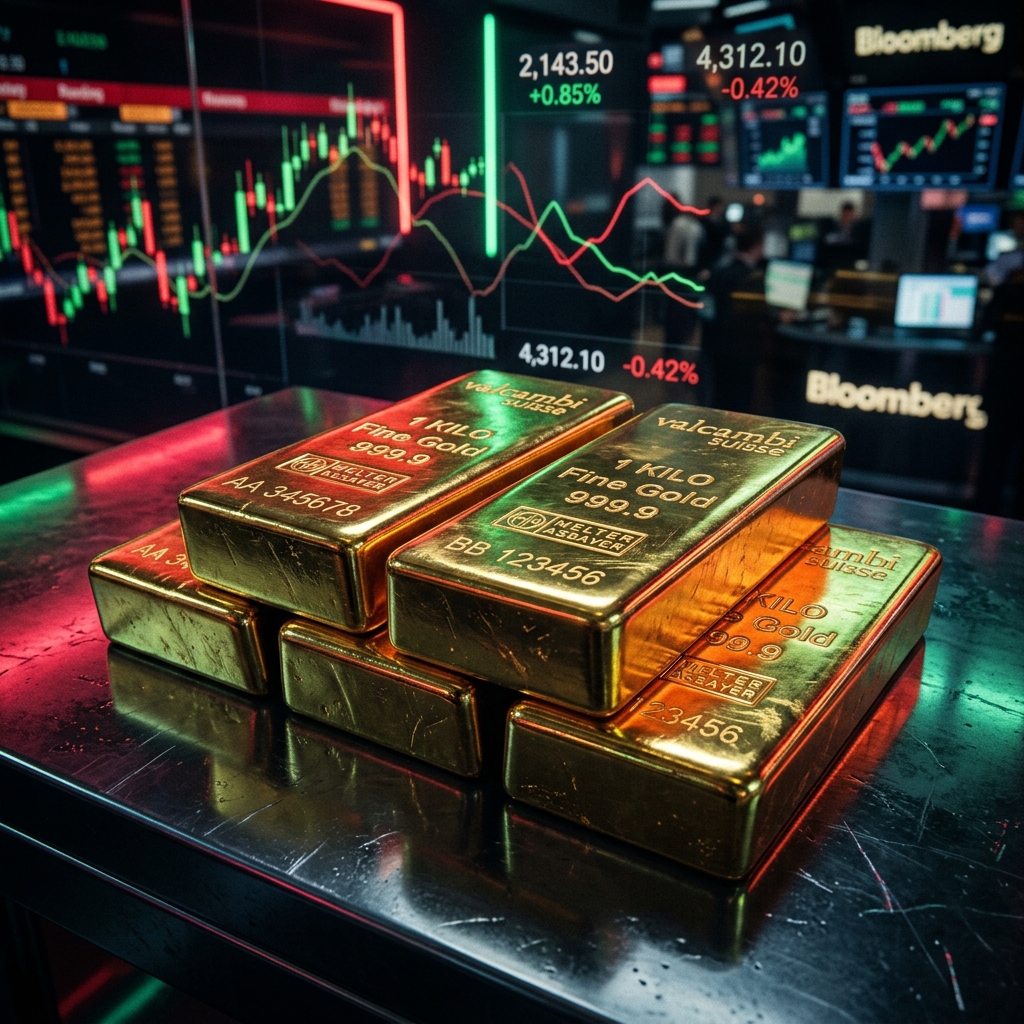
Instead, 24K gold is the undisputed king of investment. If you are looking to protect your wealth against inflation, buying 24K gold biscuits, bars, or coins is the wisest choice. When it comes time to sell, 24K gold guarantees the highest resale value with minimal deductions.
22K Gold: The Standard for Pakistani Bridal Jewelry
Purity: 91.6% Gold (mixed with 8.4% alloy metals) When discussing traditional South Asian jewelry, 22K is the standard benchmark. If you are wondering about the difference between 24k and 22k gold, it comes down to the addition of alloy metals like zinc, copper, or silver. This small addition of other metals hardens the gold, making it durable enough to be crafted into heavy, ornate designs.
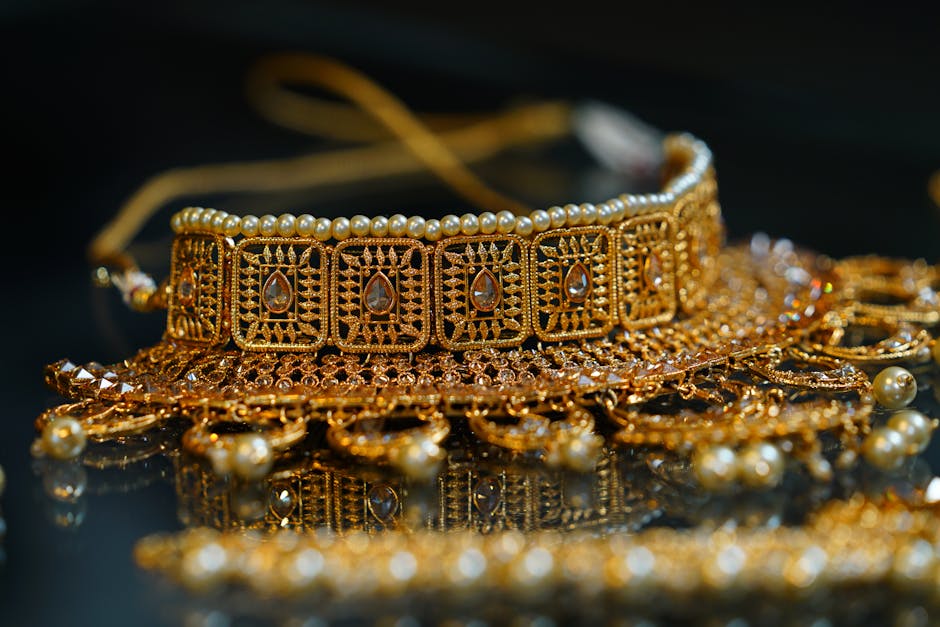
22K gold retains a beautiful, deep yellow hue that is culturally prized in Pakistani weddings. It is the premier choice for bridal sets, heavy necklaces, and bangles that are worn on special occasions rather than every single day. While it is more durable than 24K gold, it is still soft enough that everyday wear and tear can cause subtle scratching. As a store of value, 22K gold holds excellent resale value, making it a dual-purpose purchase for both adornment and financial security.
21K Gold: The Perfect Middle Ground
Purity: 87.5% Gold (mixed with 12.5% alloy metals) A frequent question among newer buyers is, what is 21k gold in Pakistan? 21K gold has surged in popularity across the Middle East and Pakistan. It contains 21 parts pure gold and 3 parts other metals.
This specific alloy provides a brilliant balance. It is slightly cheaper than 22K gold but significantly more durable. The added strength makes 21K an excellent option for traditional Pakistani designs that feature delicate filigree work or are intended to be worn more frequently. It still maintains a rich, warm tone, though slightly less intense than 22K. For buyers who want heavy, traditional-looking jewelry but need it to withstand regular use—or are working within a slightly tighter budget—21K gold is an exceptional choice.
18K Gold: The Choice for Everyday Wear and Diamonds
Purity: 75.0% Gold (mixed with 25.0% alloy metals) If you are asking yourself what the best gold karat for jewelry is when it comes to everyday wear or diamond settings, the answer is 18K gold. Because a full 25% of its composition consists of strengthening alloys, 18K gold is highly durable and scratch-resistant.
This structural integrity is crucial for stone-studded jewelry. The prongs holding expensive diamonds or gemstones need to be rigid; otherwise, the stones could easily fall out. Therefore, almost all high-end diamond jewelry in Pakistan is set in 18K gold (or platinum). Additionally, because of the higher alloy content, 18K gold is significantly more affordable per gram than its higher-karat counterparts. It is the go-to karat for modern, minimalist jewelry, engagement rings, and daily-wear bracelets.
Comparison Guide: Which Karat is Right for You?
To simplify your decision, here is a quick breakdown of the different gold karats available in the Pakistani market:
| Karat | Purity % | Best Use Case | Resale Value Ranking | Durability |
|---|---|---|---|---|
| 24K | 99.9% | Investment (Bars, Coins, Biscuits) | 1st (Highest) | Very Low (Extremely Soft) |
| 22K | 91.6% | Heavy Bridal Sets, Occasional Jewelry | 2nd | Medium |
| 21K | 87.5% | Traditional Jewelry, Regular Wear | 3rd | High |
| 18K | 75.0% | Diamond Settings, Everyday Minimalist Wear | 4th | Very High (Most Durable) |
Conclusion: Making the Right Purchase
Ultimately, the right karat depends entirely on your goals.
If your primary objective is wealth preservation and long-term investment, always opt for 24K gold bars or coins. You will avoid the high "making charges" of jewelry and secure the best possible resale value.
If you are purchasing jewelry for a wedding or as a culturally significant heirloom, 22K or 21K gold provides the perfect blend of traditional yellow brilliance and sufficient durability.
However, if you are looking for the best gold karat for jewelry that you plan to wear to work every day, or if you are buying a diamond ring, 18K gold is the undisputed champion due to its strength and affordability.
By understanding the gold karat system, you can confidently navigate the Sarafa markets of Pakistan and make a purchase that perfectly aligns with both your aesthetic desires and financial goals.